
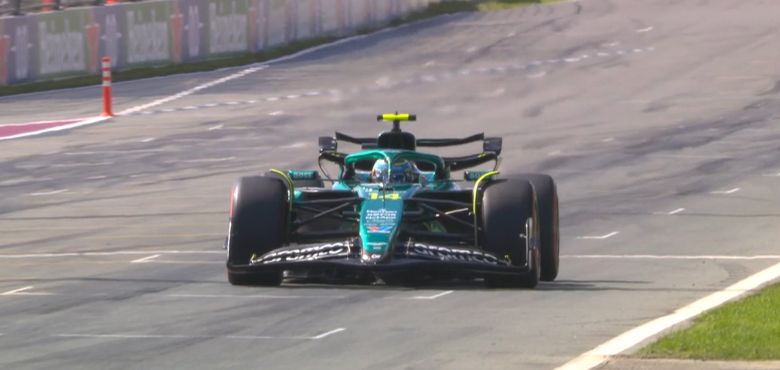
Two-time world champion Fernando Alonso has expressed clear relief as Formula 1 prepares to conclude its ground-effect era in 2026. The new rules will bring smaller and lighter cars and introduce a balanced split between electric power and the combustion engine, marking a major shift in design philosophy.
F1 reintroduced ground-effect aerodynamics in 2022 to improve racing, but the outcome failed to match expectations. Drivers have continued to report turbulence issues and limited overtaking opportunities.
Alonso Welcomes the Exit of Current Regulations
Alonso admitted he values speed, yet he believes the trade-offs of the current era outweigh the positives.
“Next year probably we will go slower and we will miss them when we drive the next cars, because we always want to be as fast as possible,” he said.
He highlighted how several aspects of modern cars make driving less enjoyable. “But I think the [current] cars are definitely too heavy, they are too big and the ground effect and the ride heights we are racing are not really fun to drive.
“And probably even to follow cars, the expectations of this regulation that it was to follow closely and to have a better action on track was not really a success. Maybe the first year a little bit, but not after that. So, yeah, I don’t think that we will miss too much of this.”
Close Performance Levels Make Overtaking Harder
Teams have narrowed the performance gap through consistent development. In Brazil qualifying, the top 15 cars were split by less than a second. With reduced pace variance and rising dirty air levels, passing attempts have become increasingly rare. This season, 15 of 21 races have been won from pole, underscoring the difficulty.
Verstappen Shares Alonso’s Frustration
Max Verstappen, who has thrived in the ground-effect era, also expressed disappointment in how the cars evolved.
“I won’t miss these cars,” said Verstappen. “It was good for a while in the beginning [the dirty air], but not anymore. I do think you can follow a bit better, a bit more controlled anyway.
“With those old cars, you really had extreme oversteer or understeer in certain places, and you don’t have that now. Now there’s just less downforce and you have the problem that the slipstream with these cars isn’t as efficient anymore. On some tracks, it’s simply not enough for overtaking.”
He also revealed the physical wear caused by heavier machinery.
“I didn’t find them the most fun to drive, to be honest,” he added. “It hasn’t been comfortable at all, all these years – my whole back is falling apart and my feet always hurt.
“Physically, it hasn’t been the best. When you do scans, they don’t look good. On the other hand, if you look at motocross, we have nothing to complain about. But if you know what it was or what it could be, I’d rather go for what we had in 2015-2016.”
Drivers Still Unsure About 2026 Car Behaviour
Simulator feedback for the 2026 cars has raised concerns. Some drivers found the early handling models less inspiring, and Charles Leclerc admitted they were not very enjoyable. There was even brief speculation regarding a return to older engine formats.
Russell Believes the Change Is Necessary
George Russell supports the upcoming transformation and expects long-term benefits.
“It’s going in the right direction, making the cars smaller, lighter,” he said. “You always remember the good stuff from something in the past. You never really remember the bad stuff. So I’m sure we’re going to miss that high-speed performance and we’ll probably forget about the negatives. But that’s just how life goes.”
Stay Updated for all the latest Sports News, follow Todaysmatchprediction on Facebook, Twitter, and Instagram
